
Bonds Means: Understanding Features, Types, and Returns
- 9th April 2026
- 02:30 PM
- 9 min read






Bonds means a formal contract to repay borrowed money with interest at fixed intervals. Essentially, a bond is a debt instrument where you, the investor, act as the bank, lending capital to a government or corporation for a set period.
In India, the bond market has grown steadily, with outstanding bond issuances crossing INR 226.3 trillion, driven by government borrowing, corporate funding needs, and rising retail participation.
As interest rates and inflation cycles continue to evolve in 2025-2026, understanding bonds means, how they work, and where they fit into your portfolio has become more relevant than ever.
What is the Meaning of Bonds?
To understand what are bonds, think of them as formal loan agreements between investors and issuers. Here, bonds means lending money to entities such as governments, public sector undertakings, or private companies. In exchange for capital, the issuer promises to pay periodic interest and return the principal amount on a specified date.
While bonds are not stocks, both are traded in financial markets. Stocks represent ownership in a company, whereas bonds represent debt. Bonds are therefore safer than equities, especially government-backed instruments, and are categorised as fixed-income securities.
What is the Working Mechanism of Bonds?
At its core, bonds means a simple borrowing arrangement. When a government, municipality, or company requires funds, it issues bonds to raise capital from investors.
The process begins with the preparation of a bond prospectus, which clearly states the terms of the issue, such as the interest rate, maturity date, and any special features. These bonds are then offered to investors in the primary market.
Bonds appeal to investors who seek a steady income and the return of their principal over time. During the life of the bond, the issuer pays interest at regular intervals, and once the bond matures, the principal amount is repaid.
Both issuers and investors must track the bond’s performance, as shifts in economic conditions or changes in the issuer’s financial strength can influence its value.
What are the Key Features of Bonds?
Understanding the structure of bonds helps investors assess suitability. It is important to note that these characteristics together determine the risk and return profile of a bond investment:
-
Fixed Interest Payments
Most bonds offer fixed interest payments. It is also known as coupons. These payments provide stable and predictable income, which is why bonds are widely popular for income planning.
-
Maturity Date
Bonds can be short-term (maturing in months to 5 years, like T-bills) or long-term (maturing in 10 years or more). Your choice depends on your liquidity needs and the duration risk you are willing to take.
-
Credit Rating
In India, agencies such as CRISIL, ICRA, and CARE assign ratings to fixed-income securities. A rating of ‘AAA’ signifies the highest safety, while lower ratings, such as ‘BBB’ or ‘C’, indicate higher credit risk but typically offer higher interest rates to compensate for that risk.
What are the Different Types of Bonds Available?
The variety of bonds available allows investors to tailor their portfolios to specific risk-return objectives. It includes the following:
-
Government Bonds
The Central or State governments of India issue these debt securities. Because they are backed by the sovereign, they are considered the safest fixed-income securities in the country.
-
Corporate Bonds
Private or public sector companies issue these bonds to fund business expansion. These typically offer higher yields than government bonds to attract investors.
-
Fixed Bonds
These bonds have a coupon rate that remains constant until maturity, which provides predictable income to the investors.
-
Floating Bonds
Floating bonds have interest rates linked to a benchmark, such as the RBI repo rate. This helps protect investors against rising interest rates.
-
Zero-Coupon Bonds
These bonds do not pay regular interest. Instead, they are issued at a deep discount to their face value. The investor’s return is the difference between the purchase price and the full face value paid at maturity.
Why Should I Invest in Bonds?
Investors who value balance, stability, and predictable returns often choose bonds. They serve multiple purposes within a portfolio, especially when market conditions are uncertain. Here is how bonds can add value to your investment strategy:
-
Generate Income
One of the strongest reasons to invest in bonds is the regular income they provide. Bonds pay interest at fixed intervals, which creates a steady cash flow.
-
Preserve Capital
Bonds offer a predictable repayment of principal at maturity, which makes them suitable for investors focused on protecting their capital while still earning returns.
-
Diversification
Bonds help diversify an investment portfolio by balancing exposure to equities. When stock markets become volatile, bonds often act as a stabilising element.
-
Mitigate Risk
Different types of bonds come with different risk levels, which allows investors to choose based on their risk appetite. For example, Government bonds are widely popular as low-risk investments and are often seen as a safe haven during periods of economic uncertainty.
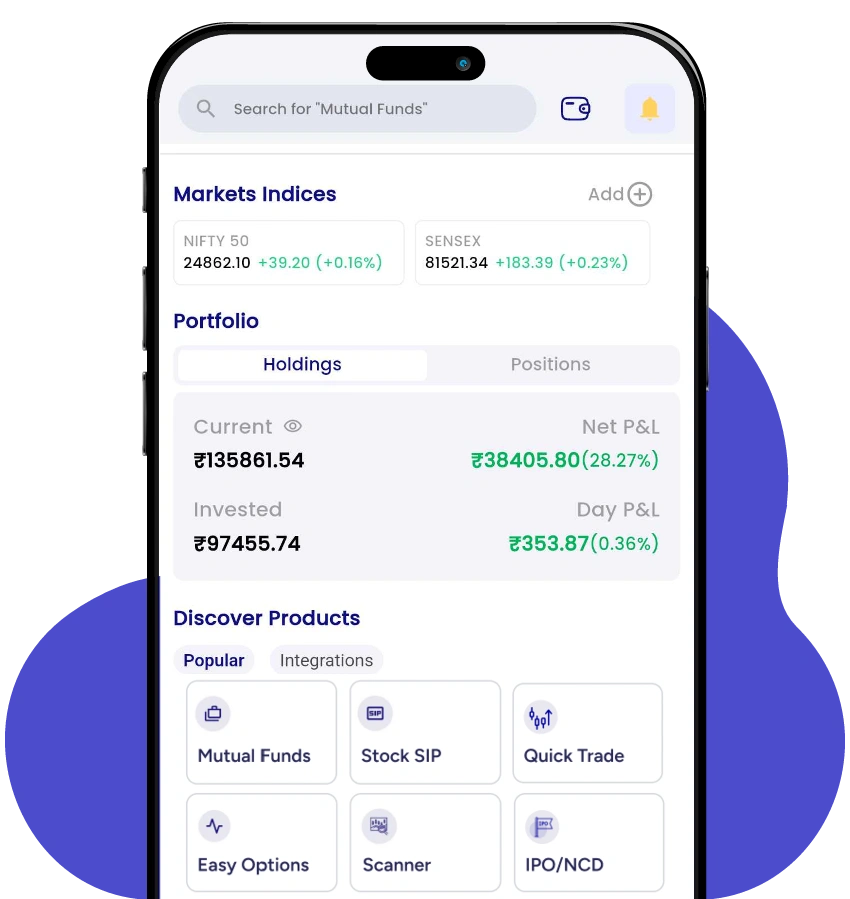
With PL Capital Group – Prabhudas Lilladher, invest in company stocks, mutual funds, SGBs and more. Download the PL Capital app today!
What are the Key Benefits and Risks of Bonds?
Every investment has strengths and weaknesses. Bonds are no exception. Here is a detailed understanding of their benefits and risks:
-
Advantages of Bonds
Bonds offer several benefits that make them attractive to conservative and long-term investors:
- Stability: Bonds are less volatile than equities and provide predictable returns.
- Indentures: Bond agreements clearly define issuer obligations, which offer transparency.
- Diversification: Adding bonds reduces the overall portfolio risk of the investors.
- Fixed Interest: Regular coupon payments support steady income planning for the investors.
These advantages explain why bonds remain a core component of retirement and low-risk portfolios.
-
Risks of Bonds
Despite their stability, bonds are not completely risk-free. It comes with:
- Inflation’s Influence: Rising inflation can reduce the real value of fixed returns.
- Low Liquidity: Some bonds may be difficult to sell quickly in the secondary market.
- Lower Returns: Compared to equities, bonds generally offer lower long-term returns.
- Credit Risk: Issuer default can impact repayment, especially in lower-rated bonds.
Understanding these risks helps investors align bond investments with their financial goals.
What is Yield to Maturity (YTM)?
Yield to Maturity (YTM) represents the total return an investor can expect if the bond is held until maturity. It considers the purchase price, coupon payments, and time remaining to maturity.
YTM is a critical metric for comparing bonds with different prices and tenures, which makes it essential to evaluate opportunities within the bond market in India.
Overview of the Bond Market
The bond market refers to the marketplace where bonds are issued and traded. It plays a vital role in financing government expenditure and corporate growth while offering investors access to fixed-income securities. Here is a detailed understanding of the two types of bond markets:
-
Primary Market
In the primary market, governments or corporations directly issue bonds to raise capital. Investors subscribe to these new issuances.
-
Secondary Market
The secondary market allows investors to buy and sell existing bonds. Prices fluctuate based on interest rates, credit outlook, and market demand.
How to Invest in Bonds in India?
Investing in bonds has become more accessible for retail investors. Bonds can be purchased through primary issuances, stock exchanges, or digital investment platforms. Here is a complete step-by-step guide:
Step 1: Open a Demat Account
Most bonds in India are held in electronic form, so having a Demat account is essential. This allows you to hold and track your bond investments securely.
Step 2: Choose the Right Bond
Select the type of bond that aligns with your financial objectives, investment horizon, and risk tolerance. This could include government bonds, corporate bonds, or other fixed-income instruments.
Step 3: Make the Purchase
Investors can purchase bonds through stockbrokers, financial institutions, or online trading platforms. Before investing, check the prevailing market price, interest rate, and yield to ensure the investment meets your expectations.
Step 4: Monitor
After investing, regularly review your bond portfolio. Monitoring is especially important if you hold bonds with different maturities or varying credit ratings.
Step 5: Redeem or Trade
Investors can hold their bonds until maturity to receive the full principal amount, or they can sell them in the secondary market before maturity if they require liquidity or wish to book profits.
Conclusion
Bonds mean lending money in exchange for stable returns, which makes them a vital tool for income generation and risk management. From government securities to corporate issuances, bonds offer diverse options aligned with different financial objectives.
To explore bond investments alongside equities and other instruments, consider starting your journey with the PL Capital app and building a balanced, goal-oriented portfolio today.
Frequently Asked Questions (FAQs)
1. What is a bond in finance?
A bond in finance is a debt instrument where an investor lends money to an issuer in return for periodic interest and principal repayment at maturity.
2. Are bond returns guaranteed?
While Government Bonds are virtually risk-free, corporate bonds carry credit risk. Their returns depend on the issuer’s ability to pay.
3. What is the safest type of bond?
Government bonds (G-Secs) are the safest because they are backed by the sovereign’s power to tax and print money.
4. How can investors buy bonds?
Investors can buy bonds through primary issuances, secondary markets, or reputable digital platforms offering access to the Indian bond market.