
What is MCX? Full Form, Meaning & How MCX Trading Works
- 18th August 2025
- 12:00 AM
- 8 min read






If you are looking for commodity trading, you might have heard about MCX. However, what it is and what actually MCX full form stands for is still a big question among newcomers. MCX stands for Multi-Commodity Exchange of India, which was founded in 2003.
Given the importance of commodities to the world economy, understanding MCX trading can help you remain ahead of the fast-paced markets of today. This blog explains what is MCX and how to trade on it.
What is MCX Trading?
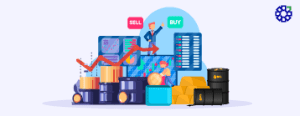
Multi-Commodity Exchange of India Ltd., or MCX, is an exchange and a digital platform that facilitates online trading of commodity dealers. This commodity futures market held a commanding 97% market share in 2024.
Investors can settle commodity futures transactions using this exchange in India. With this exchange, you will get a practical and effective platform for hedging activity. By agreeing to purchase or sell commodities at a fixed price on a given future date, traders on the MCX lock in the current price.
Commodities You Can Trade on MCX
Since you got the idea of what is MCX in share market, let us have a look at the different types of commodities you can trade on the MCX:
-
Agricultural Products
Rice, soybean, wheat, cotton
-
Metals
Gold, Silver, aluminium, copper, and nickel
-
Energy
Futures in crude oil and natural gas
-
Softs
Coffee and Sugar
Trade & Invest in Commodities with PL Capital Start Trading Now
Factors Influencing MCX Commodity Prices
Several important factors affect commodity pricing on the MCX, which are described below:
-
Demand and Supply
Demand and supply are two of the most significant factors that affect commodity prices on the MCX. However, it varies over time based on the time of year and both domestic and international considerations.
-
Weather
Interestingly, the weather conditions have a significant impact on agricultural products like sugar and cotton. An increase in price increases may result from floods or droughts.
-
Technology
Technological developments are one of the important factors that influence the price of commodities. Raw materials, labour, licensing, and taxes are some of the expenses included in it. Long-term technological developments may also lead to increased yields, which would reduce the manufacturing’s marginal cost.
-
Geopolitical Concerns
Commodity trade prices on the MCX are influenced by geopolitical factors both directly and indirectly. For instance, political instability across the globe can lead to a spike in oil prices.
What Are the Key Features of MCX Commodity Trading?
-
Portfolio Diversification
You can diversify your risk by adding commodities to your portfolio along with stocks and other assets. This diversification might result in a better-balanced investment portfolio.
-
Protection Against Inflation
Trading commodities on MCX can help you stay protected with rising inflation. Inflation leads to a decrease in the value of the currency and consequently impacts the value of equities and bond assets. However, due to their high inherent value, commodities like gold and silver continue to hold their value.
-
Hedging
Commodities on MCX can help you hedge. Sugar, iron, corn, and copper are examples of commodities that are important inputs for many different businesses. To hedge against price swings, you can hold an opposite position in the commodities futures market.
-
Liquidity
Trading on commodities markets like MCX is different from buying physical commodities. MCX allows the buying and selling of commodities without any delay.
-
Time Advantage
If you are unable to trade actively throughout the day, you might benefit greatly from MCX trading. If you are busy during working hours, you may trade in the evenings since the trading hours are from 9:00 AM to 11:30 PM IST.
How to Trade on MCX: A Step-by-Step Process
Step 1: Open a Trading Account Choose a SEBI-registered broker and complete the KYC process. You will need your PAN, Aadhaar, and bank details to get started.
Step 2: Choose Your Commodity Pick a commodity you want to trade, whether it is gold, silver, crude oil, or agricultural products. Each category carries its own risk and return profile.
Step 3: Add Funds to Your Account Deposit sufficient funds to cover your margin requirements and trading capital. Ensure you have a buffer beyond the minimum margin.
Step 4: Place Your Trade Buy or sell contracts based on your market view. Specify the quantity, price, and contract details before confirming your order.
Step 5: Monitor and Exit Track your open positions regularly. Close or square off your contracts before expiry to avoid physical delivery obligations.
How to Open an MCX Trading Account With PL Capital?
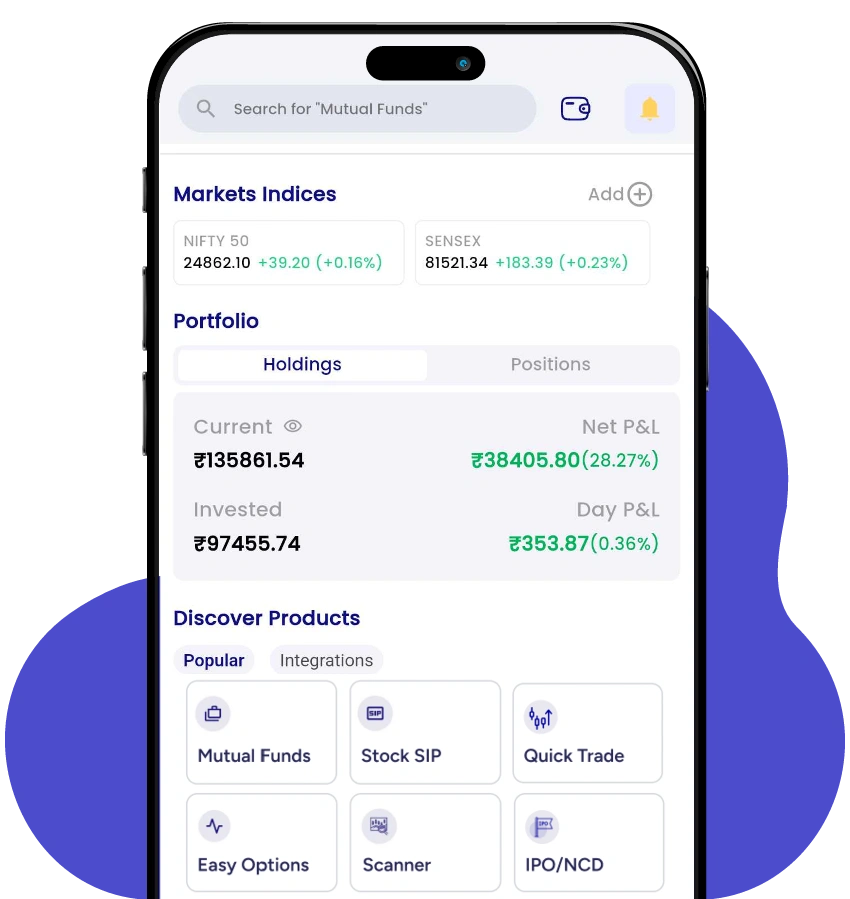
Before you start trading on MCX, you need a Demat and trading account. Open yours with PL Capital and get access to powerful tools and research-backed trading strategies.
Step 1: Download the PL Capital App Go to the App Store or Play Store and download the PL Capital app on your phone.
Step 2: Go to Your Profile Once logged in, navigate to the Account section and select Profile to begin the registration process.
Step 3: Enter Your Contact Details Fill in your email address and mobile number. Verify both using the OTPs sent to each.
Step 4: Complete Your e-KYC Enter your name and PAN exactly as they appear on your PAN card.
Step 5: Verify Your Aadhaar Enter your Aadhaar number and confirm it using the OTP sent to your Aadhaar-linked mobile number.
Step 6: Grant Digilocker Access Approve access to your Digilocker. Once done, your Demat cum trading account will be activated.
Different Options for Investing in Commodities in India
There are different categories of commodities you can invest in India. Some of them are:
-
Physical Commodities
Investing in the commodity market involves buying commodities physically, hoping for price increases and selling them for profit. Precious metals like gold and silver are among the best commodities to own in India.
-
Commodities Associated Stocks
You may purchase shares in companies that deal with commodities to reduce the risks of future trade. You may profit from changes in commodity prices and receive rewards in the form of share price increases by investing in these stocks.
-
Commodity Futures Market
With futures contracts, traders may purchase or sell a commodity at a specific time and date. Those who want to benefit from the volatility of commodity prices can trade futures contracts.
Final Thought
Commodity trading in India is transparent, easy to access, and safe due to the MCX market. It enables traders to hedge risks, diversify their holdings, and safeguard their money from inflation.
Knowing the MCX full form is also necessary for beginners since the commodity market can help them to avail lucrative opportunities, regardless of their level of experience. You can also trade in commodities using the trading account with PL Capital. PL Capital offers different features like real-time market scanners and smart alerts.
FAQs on MCX
1. What distinguishes the NSE from the MCX?
The National Stock Exchange (NSE) and the Multi-Commodity Exchange (MCX) are different platforms. The NSE allows you to trade stocks, mutual funds, and bonds, while the MCX focuses on commodity derivative trading.
2. How much money is needed to trade MCX?
The amount of money needed to trade on MCX is determined by the margin requirements for the particular commodities contract you purchased.
3. Can gold be purchased on MCX?
Yes, you can purchase gold on MCX in different forms. These include Gold Mini, Gold Guinea, and Gold Petal and many other forms.
4. Who regulates MCX?
The Securities and Exchange Board of India (SEBI) regulates the MCX.
5. What Is the Full Form of MCX in the Share Market?
MCX stands for Multi Commodity Exchange. It is India’s largest commodity derivatives exchange, regulated by SEBI, and allows traders to buy and sell contracts in commodities such as gold, silver, crude oil, and natural gas. Established in 2003 and headquartered in Mumbai, MCX provides a transparent and regulated platform for commodity trading in India.
6. Is MCX Trading Risky for Beginners?
Yes, MCX trading carries a higher risk compared to regular equity investing, especially for beginners. Commodity prices are influenced by global factors like geopolitical events, currency fluctuations, and supply-demand shifts, making them unpredictable. Beginners should start with a small capital, avoid high leverage, and build an understanding of the commodity they wish to trade before committing larger funds.
7. What Are MCX Trading Timings?
MCX operates in two sessions based on commodity type:
- Agri-commodities: 9:00 AM to 5:00 PM IST
- Non-agri commodities (gold, silver, crude oil): 9:00 AM to 11:30 PM IST on weekdays
- When US markets are open: Extended till 11:55 PM IST
Trading is available Monday to Friday. Always confirm current timings with your broker as they may vary.