
Gold ETF vs Gold Mutual Fund: Key Differences, Returns & Which is Better?
- 3rd November 2025
- 04:00 PM
- 11 min read






Seeking an investment option that offers potential safety and a stable return? A mutual fund or an ETF may be the solution for you based on your investment goals. As of FY26, the mutual fund industry added a total of 6.40 lakh mutual fund investors, and the gold mutual fund is one of them.
Also, gold investment in gold ETFs is rising rapidly. However, there are differences between gold ETF vs gold mutual funds, and read this blog to learn how to invest.
What is a Gold ETF?
A Gold Exchange Traded Fund (ETF) is a financial instrument that tracks the price of physical gold in the domestic market. Each unit of a Gold ETF typically represents 1 gram of gold with 99.5% purity, and its value moves in line with gold prices during market hours, between 9:15 AM and 3:30 PM.
Asset Management Companies (AMCs) back each Gold ETF with actual physical gold stored in secure vaults. This physical gold is the underlying asset, which gives Gold ETFs their value.
Gold ETFs are listed on the BSE and NSE, just like shares. You can buy and sell them through your Demat and trading account, and they are held electronically in dematerialised form. This makes Gold ETFs a convenient way to invest in gold without storing it physically.
What is a Gold Mutual Fund?
For a better understanding of the distinctions between gold MF vs gold ETF, you must also take note of how the gold mutual funds typically work. A Gold Mutual fund is a convenient investment avenue and is typically beginner-friendly.
Usually, such funds invest in Gold ETFs, and therefore, the performance of such funds typically follows the physical gold prices closely.
If you are concerned about the investment modes in a gold mutual fund, it is similar to other sorts of mutual funds available in the Indian market. You can either choose a Systematic Investment Fund (SIP) or use a lump sum amount.
You can start an SIP using INR 1000, and some fund houses might offer an SIP option from as low as INR 100. As a lump sum, fund houses also might let you invest as low as INR 100. Such a lower investment amount makes gold mutual fund investment affordable and accessible for a wide range of investors.
Gold ETF vs Gold Mutual Fund: Key Differences Explained
Now that you have an idea of how Gold ETFs and Gold Mutual Funds work, here are the six key differences between the two:
| Parameters | Gold ETFs | Gold Mutual Funds |
| Type of underlying assets | AMCs store physical gold of high purity in vaults and use it as the underlying asset of Gold ETFs. | Fund houses pool money from investors and typically invest it in Gold ETFs. |
| Expense ratio | Typically between 0.5% and 1%. | Around 1% and can go up to 1.2%, since it also includes the underlying ETF costs. |
| Exit loads | Usually no exit load, so you can exit without additional charges. | May attract an exit load of 1% to 2% if you exit before the stipulated time. |
| Pricing | Unit prices move close to the prevailing gold prices on a given day. | Priced on the Net Asset Value (NAV) declared at the end of the day. |
| Investment modes | Lump sum only. Most Gold ETFs do not offer an SIP option. | Both SIP and lump sum, starting from as low as ₹100, making them beginner-friendly. |
| Taxation (w.e.f. 1 April 2025) | STCG (held ≤12 months): taxed at your income tax slab rate. LTCG (held >12 months): 12.5% without indexation. | STCG (held ≤24 months): taxed at your income tax slab rate. LTCG (held >24 months): 12.5% without indexation. |
For tax-efficient gold allocation and portfolio diversification, you can also explore PL Capital’s portfolio management services.
Gold ETF vs Gold Mutual Fund: Which is Better for You?
Investment in gold ETFs surged significantly in 2025. Compared to the net inflow in 2024, it reached INR 8,363.13 crore this year. Conversely, investors are also investing in gold funds, making it harder to choose between the two.
However, based on the following factors, you can choose which might be the optimal solution for your investment needs:
-
Investment Flexibility
If you have a lump sum amount to invest at once at your disposal, you can opt for a gold ETF, as such funds mostly allow a lump sum investment. However, if you are a beginner or have a limited investment budget, you can opt for a gold mutual fund, as the SIP option is available here.
-
Mind the Expense Ratio
Although gold mutual funds have investment flexibility, such funds typically impose expense charges for the fund management and for the underlying gold in gold ETFs. Thus, the expense ratio increases. Investors who are comfortable with a one-time lump-sum investment but want to limit expenses can opt for it.
-
Trading Requirement
Based on your trading requirements, you can go for one of these investment options. If you want to buy or sell based on real-time gold prices, a gold ETF might be effective for you. However, if you are comfortable with NAV-based transactions, a gold mutual fund might be suitable for you.
How to Invest in Gold ETF and Gold Mutual Fund?
Now that you have an idea about the investment suitability from differences between gold ETF vs gold mutual funds, you can start your preferred investment using the following methods:
-
Steps to Invest in Gold ETF
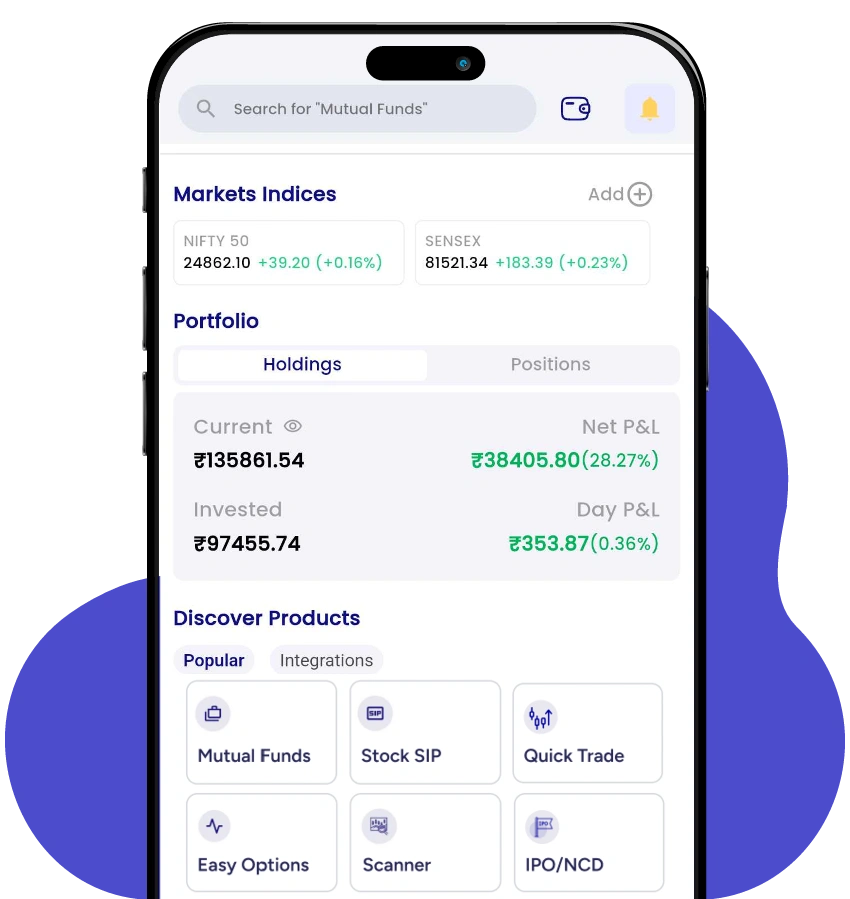
PL brings you the convenience of investing in gold ETFs once you have set up a Demat account. Follow this 4-step guide to start a gold ETF investment using the PL Capital app:
Step 1: Open the PL Capital app and log in using your credentials.
Step 2: Browse through the app interface and look for the option for ‘Gold ETFs’.
Step 3: Choose your preferred Gold ETF, the number of ETF units you want to buy and input the respective amount.
Step 4: Place the buy order through your preferred payment mode, and you will receive the confirmation of purchase completion through a notification, text or email.
-
A Step-by-Step Guide to Make a Gold Mutual Fund Investment
After taking note of the differences between gold ETF vs gold mutual funds, if you prefer to invest in the latter, you can do it from PL as well. Follow the steps below and invest in one from the PL Capital app:
Step 1: You must research and choose the gold mutual fund that suits your investment horizon, financial goal, etc.
Step 2: Open the PL Capital app, head to the mutual fund section, look for the fund and choose it.
Step 3: Choose your preferred investment mode between SIPs and a lump sum. Choose the number of fund units you want to invest in and select your preferred payment method.
Step 4: Approve the transaction, and upon completion of the transaction, your fund investment will be completed.
Tax Implications on Gains Between Gold ETF vs Gold Mutual Funds
Starting from April 1, 2025 and under the new tax regime of the Indian Income Tax Department, there are a few changes you must know about. For both investment options, the Short-term Capital Gain and Long-term Capital Gain Taxes apply.
If you hold a gold ETF for 12 months or less, an STCG tax applies based on your income tax slab rate. If the holding period exceeds 12 months, an LTCG of 12.5% applies without indexation.
When you hold a gold mutual fund for 24 months or less, an STCG, based on your slab rate, applies. If the holding period exceeds 24 months, an LTCG of 12.5% applies without indexation.
However, such a taxation rule might feel complicated, or you might want to save more on taxes. For this, you can consult portfolio management services to potentially increase savings on taxes and diversify your portfolio at the same time.
Conclusion
If you are confused about where to invest between gold ETF vs gold mutual funds, a clear understanding of how these investment options work is required. Gold ETFs typically invest in physical gold and generate returns based on the performance of the asset in the market. A gold mutual fund usually invests in gold ETFs and thus closely tracks the gold prices.
With PL, you can invest in stocks, mutual funds, gold bonds and more. Download the Pl Capital app to learn more!
Frequently Asked Questions
What are the involved risks in gold ETFs and gold mutual funds?
Due to factors such as market volatility and price fluctuation of gold, your return potential from gold ETFs might be affected. Since gold mutual funds mostly invest in gold ETFs, these investments might be affected as a result.
Is it possible to withdraw from a gold ETF and a gold mutual fund investment anytime?
Yes, similar to selling shares in the stock market, you can sell gold ETFs during the market hours, i.e. between 9:15 AM and 3:30 PM. You can also withdraw your investments from a gold mutual fund, but you should try to withdraw them after the specified time for the exit load.
Do investments in gold ETFs or gold mutual funds help with diversification?
Yes, investments in either the ETF or the gold mutual fund diversify your portfolio and spread risks across assets. Gold also typically acts as a hedging asset against market volatility.
How are Gold ETFs and Gold Mutual Funds taxed in India?
For Gold ETFs, gains on units held for 12 months or less are taxed at your income tax slab rate as Short-Term Capital Gains (STCG). Gains on units held for more than 12 months attract Long-Term Capital Gains (LTCG) tax at 12.5% without indexation. For Gold Mutual Funds, the same LTCG rate of 12.5% applies, but only after a holding period of 24 months.
Which has lower expense ratio: Gold ETF or Gold Mutual Fund?
Gold ETFs typically have a lower expense ratio, ranging between 0.5% and 1%. Gold Mutual Funds usually charge around 1% and can go up to 1.2%, as their expense ratio also includes the cost of the underlying Gold ETF they invest in. If keeping costs low is a priority and you are comfortable with lump sum investments, a Gold ETF is the more cost-efficient choice.
Can I invest in Gold ETF without a Demat account?
No, you cannot invest directly in a Gold ETF without a Demat account. Gold ETFs are listed and traded on the BSE and NSE, just like shares, so you need a Demat and trading account to buy and hold them. If you want exposure to gold without opening a Demat account, you can consider a Gold Mutual Fund, which can be bought directly through an AMC or fund platform.
What is the minimum investment in Gold ETF and Gold Mutual Fund?
For a Gold ETF, the minimum investment is the price of one unit, which typically represents 1 gram of gold. The exact amount depends on the prevailing gold price on the day you buy. For a Gold Mutual Fund, you can start an SIP or a lump sum investment with as little as ₹100, depending on the fund house. This makes Gold Mutual Funds more accessible for beginners with smaller budgets.