
What are the Differences Between Dematerialisation and Rematerialisation?
- 17th February 2026
- 02:20 PM
- 5 min read






The key difference between dematerialisation and rematerialisation is that dematerialisation converts physical shares into electronic format, while rematerialisation converts the electronic shares back to the physical shares.
Rematerialisation and dematerialisation are two sides of the same coin that assist investors in switching between electronic and physical assets.
This blog evaluates the key differences between dematerialisation vs rematerialisation based on some parameters.
What Does Dematerialisation Mean?
Dematerialisation is the process of transforming physical shares and share certificates into an electronic format. Then they are stored in your Demat account, which functions similarly to a bank account for your investments. To sell shares that are in physical form, an investor must dematerialise them.
Investing in or trading shares requires a Demat account. The physical shares are digitally credited to your Demat account when they are dematerialised. As a result, according to Business Standard, the number of Demat accounts in India increased by 30.6 million.
What Does Rematerialisation Mean?
Rematerialisation is the process of converting stocks and debenture certificates back to physical form, which you have previously converted to electronic formats. To avoid paying the maintenance fee for a Demat account with just 1 or 2 shares, many choose this process.
To do this, you must complete a Remat request form (RRF) and submit it to the Depository Participant (DP).
Dematerialisation vs Rematerialisation – Key Differences
| Parameters | Dematerialisation | Rematerialisation |
| Shares Identification | Dematerialised shares lack a unique number | They have unique numbers issued by the RTA |
| Account Maintenance by | The National Securities Depository Limited (NSDL) or Central Depository Services Limited (CDSL) is in charge of account maintenance. | The share-issuing company is in charge of account maintenance. |
| Transaction Mode | Electronic format | Post-rematerialisation transactions take place physically |
| Maintenance Costs | Annual charges for maintenance | No maintenance charges required for physical certificates |
| Security | There are risks to the electric form | Physical paperwork is more vulnerable to fraud and forgery |
| Difficulty | Dematerialisation is a simple procedure and does not take enough time. | The process of rematerialisation is difficult and time-consuming. It is challenging and might need professional help. |
Step-by-Step Process of Dematerialisation
Step 1: Demat Request Form
You need a Dematerialisation Request Form (DRF) to convert any physical share or debenture certificate into an electronic format.
Step 2: Find a DP
You need to find a DP that provides Demat services.
Step 3: DRF Form Fillup
Complete the DRF and send it in with the share certificates. On every certificate, state ‘Surrendered for Dematerialisation.’
Step 4: Request to Other Parties
Together with the share certificates, the DP shall forward the request to the depository, registrars, and transfer agents. The registrar updates the DP on the status of the process.
Step 5: Shares Credit
The investor’s account shows the share credit after confirmation.
Step 6: Wait for the Transfer
Transferring shares electronically may take 15 to 30 days.
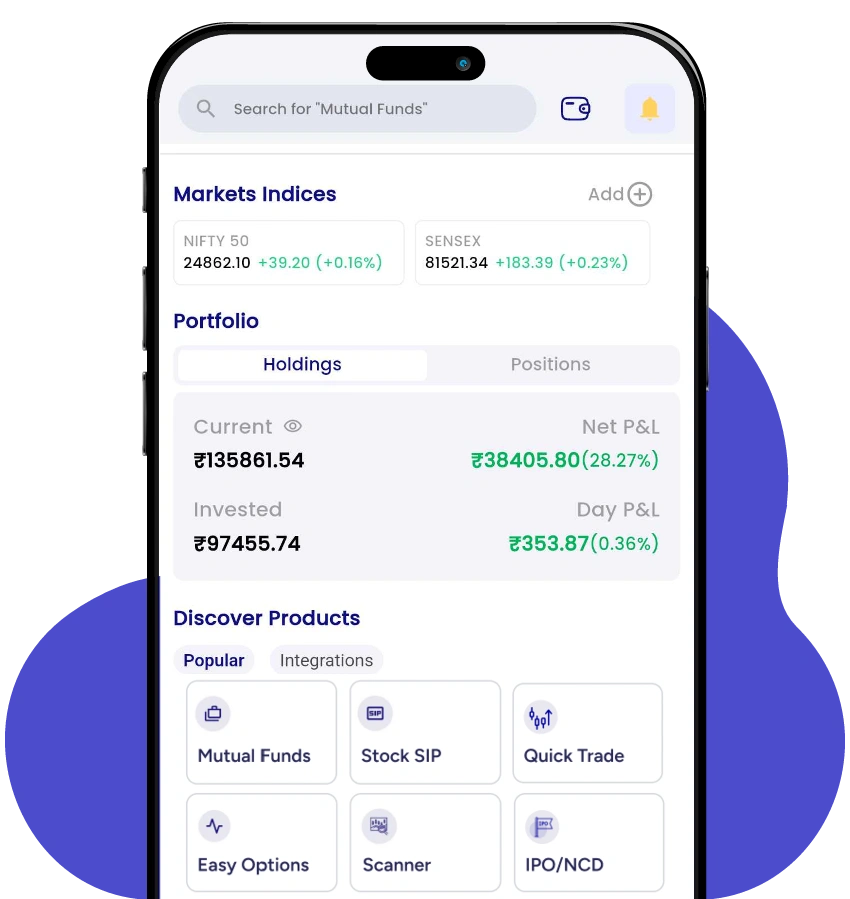
You can also transfer your physical shares into your Demat account by dematerialising them using the PL Capital Group – Prabhudas Lilladher application.
Step-by-Step Process of Rematerialisation
Step 1: Remat Request Form
You must get the Remat Request Form (RRF) to obtain the dematerialised securities in the physical form once again.
Step 2: Requesting from the Registrant
The DP brings the paperwork to the repository. The request is sent to the registrant by the depository.
Step 3: Print Out New Certificates
The registrar prints out the new physical certificates and sends them to the investor.
Step 4: Receiving New Certificates
The investor receives the new certificates in the account with the DP when the registrar verifies the Remat request to the depository. The process may need up to 30 days.
Why Should You Choose Rematerialisation?
There are a number of reasons why you would choose rematerialisation, even though it is a difficult procedure and creates the risks associated with holding shares. You may have greater freedom due to the rematerialisation, which enables you to retain tangible shares if you so want. You can also potentially avoid paying account maintenance fees for a Demat account by storing shares in a physical format.
Final Thoughts
You should know the difference between dematerialisation and rematerialisation since both allow you to convert your shares from physical form to electronic form and back to the physical form, respectively. However, the Demat account has reduced the risks of fraud and counterfeiting.
If you want to open a Demat account, you can download the PL Capital application. PL allows you to open a Demat account for free.
Frequently Asked Questions
1. Does India require dematerialisation?
In India, it is mandatory that private firm shares should be dematerialised. Private company shares must be dematerialised by June 30, 2025.
2. Is it possible to return demat shares to their physical form?
Yes, it is possible to convert dematerialised shares into their physical format by submitting an RRF.
3. How much does rematerialisation cost?
It is difficult to determine the cost of rematerialisation since it may vary from broker to broker.
4. Which is better, rematerialisation or dematerialisation?
Because there is no chance of theft, misplacement, or forgery, dematerialisation is safer.
5. What is the duration of rematerialisation?
The duration of dematerialisation may take up to 30 days.