What are the Commodity Trading Strategies to Apply?
- 13th February 2026
- 02:00 PM
- 10 min read






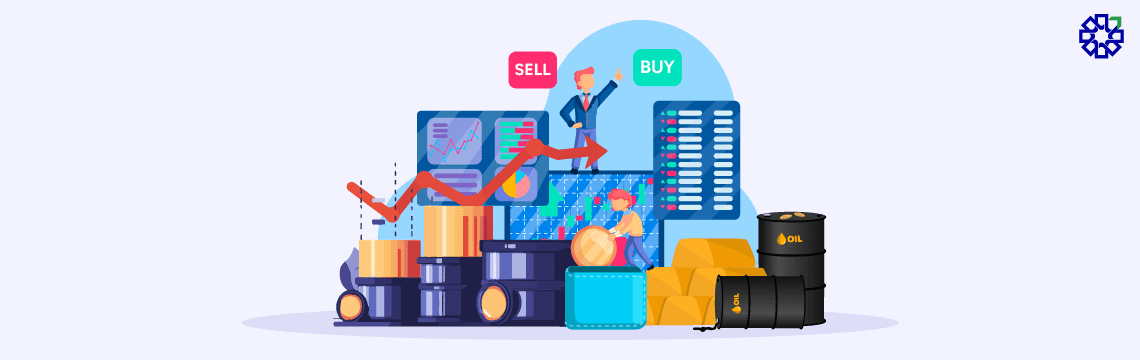
Commodity trading strategies allow you to participate in the buying and selling of raw materials or primary products using structured and informed approaches, and let you make profits from price movements of those materials.
These materials include precious metals like gold and silver. Also, it includes raw materials like crude oil, agricultural products, etc. Thus, with an efficient strategy, as a trader, you can locate potential trade opportunities, make entries and exits from those trades informedly.
In India, with sound strategies, you can trade across 6 recognised commodity markets and build potential wealth over time. Read through this blog and learn about these strategies, and implement them accordingly.
What are Commodity Trading Strategies?
Commodity trading strategies are structured approaches that allow you to make consistent and disciplined investment or trading decisions in a volatile commodity market. Similar to assets like company stocks, commodity prices are also sensitive to geopolitical events, supply and demand, etc., which makes an arbitrary investment decision risky.
Thus, if you have an effective commodity trading strategy in place, it might help you locate clear entry and exit points. Also, it lets you set position sizing and stop losses that help manage risks.
For example, suppose gold prices are trading at INR 60,000 for 10 grams. With effective commodity market trading strategies, a trader might look to buy when the price reaches INR 61,500 while setting a stop-loss at INR 60,500, limiting loss to INR 500.
Comparing this with entering the market without a strategy might lead to a greater financial loss in case of unexpected price swings.
Best Commodity Trading Strategies to Use in India
Now that you have a brief idea about why you need trading strategies while trading commodities, you must learn the types of strategies to learn in detail. Below are some of the popular strategies that traders in the commodity segment use:
-
Trend Following Strategy
It is one of the most popular commodity trading strategies in India, where the core principle is to follow the direction of the commodity market and trade in that direction. The aim here is to locate capitalisation opportunities depending on the market momentum.
To locate price direction, traders use moving averages, RSI, etc. Now, if prices keep moving in one direction, traders consider that to be a trend and place trade decisions accordingly.
-
Range Trading Strategy
Range trading as a strategy means locating the price range of a commodity where it usually trades. Traders identify support levels where demand is strong, prices are unlikely to fall and place buy orders. They identify a resistance level where selling pressure is high and place sell orders. Traders use indicators like the RSI, Stochastic Oscillator, etc.
-
Breakout Trading Strategy
Commodity prices might break out after trading for a while in a particular pattern or range. The aim here is to capitalise on the price momentum that usually follows after a breakout. To successfully implement this strategy, you must check trade volume to confirm the sustainability of that momentum. You might enter trades after a breakout or when commodity prices retest the breakout level.
-
Hedging Strategy
In this strategy, traders usually take a contrary position by investing in an alternate asset or using a different instrument. The aim here is to offset losses if commodity prices move against their current position. Suppose a farmer believes wheat prices may increase. However, to hedge, they might take a short or sell position in the futures of wheat beforehand to protect against any price drop.
Now, if the prices really fall, the farmer might be able to offset losses from the gains of selling the future contracts at the price before the price drop.
-
Arbitrage Strategy
It is one of the known commodity trading strategies in the commodity market. Here, as a trader, you can aim to capitalise on price differences of the same commodity trading in different markets. Suppose silver trades at INR 72,000 per kg in one exchange and at INR 72,500 on another. You might buy at INR 72,000 from one exchange and sell at INR 72,500 on the other to pocket the profit.
-
Seasonal Trading Strategy
As its name implies, it leverages the seasonal trend in commodity prices as seasons progress throughout a timeframe. Using historical data, seasonal demand, weather trends, etc, traders can anticipate when to enter or exit from commodity trades.
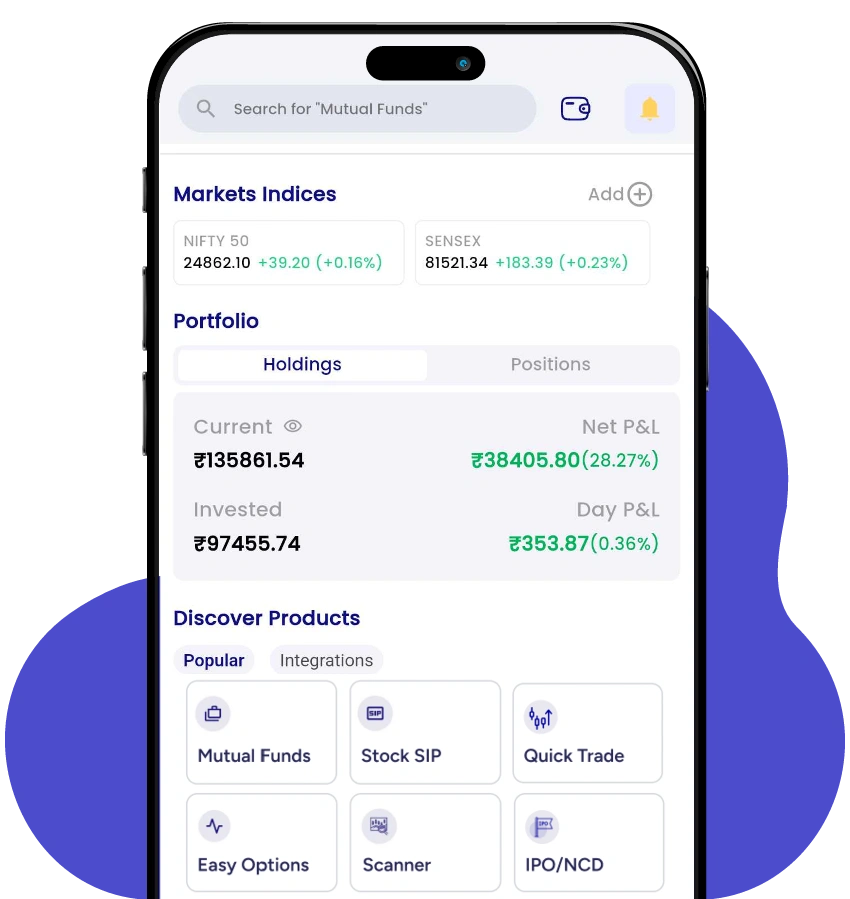
With PL Capital Group – Prabhudas Lilladher, invest in stocks, commodities, mutual funds, ETFs and more. Download the PL Capital app today to start your investments!
How to Start Commodity Trading in India?
As you have noted, the different commodity trading strategies, to start trading in this sector, learn how to start one. Here is a step-by-step guide that you must follow:
Step 1: Create a Demat and a trading account with a reputed broker such as PL and register on exchanges such as MCX, NCDEX, etc.
Step 2: Understand the dynamics of the commodity market and locate a commodity that has higher yields and aligns with your risk appetite. For example, precious metals like gold might have a higher yield but are highly sensitive to global events.
Step 3: Place your orders during commodity market timing, which typically is up to 9 PM. Choose a market order to execute trades at the prevailing prices. You may choose a limit order specifying the price at which you intend to purchase or sell when commodities reach those price points.
Step 4: Keep an eye on the commodity market in which you have invested. Adjust your trading strategies if the respective market changes to keep up with it.
Which Factors Affect Commodity Prices?
Apart from noting the strategies for commodity trading, also note some underlying factors that impact commodity prices. Here is a detailed view:
-
Supply and Demand
As one of the most crucial factors, supply and demand impact commodity prices, which creates price fluctuations. When demand for a particular commodity is higher, the price of that commodity also gets higher and vice versa.
-
Rate of the Currency
Fluctuations of currency rates also influence commodity prices. For example, you must know that crude oil, gold prices, etc, are commodities that are priced based on US dollars. A stronger US dollar, therefore, makes commodities expensive for traders trading in other currencies, forcing their demand down. A weaker US dollar makes commodities cheaper, driving the demand up.
-
Global Events and Government Policies
Events like geopolitical tension, conflict, war, etc, disrupt the supply chain of commodities at a global level and impact the commodity prices. Government policies like trade restrictions, sanctions, etc, also might affect commodities and drive their prices higher.
Using Fundamental Analysis in Commodity Trading
As you have seen, the supply and demand of commodities impact commodity prices, you must consider some fundamental factors at the micro and macro levels. To employ commodity trading strategies effectively, consider local weather conditions, political events, and governmental policies. These might impact commodities at a micro level.
At a macro level, you must take into account the geopolitical concerns, rate of inflation, GDP growth, etc, before investing in commodities.
Using Technical Analysis in Commodity Trading
While trading in commodities, you must also consider some technical analysis. These include locating chart patterns to anticipate price movements of commodities. Use candlestick patterns to locate potential trend reversals. Employ indicators, such as RSI, MACD, etc, to confirm trends, reversals, etc, and make entries or exits from trades.
Risk Management in Commodity Trading
Although you put efficient commodity trading strategies in place, there are still chances of facing losses. Therefore, you must employ risk management by placing stop-losses and setting take-profit targets. Leverage might be helpful while using position sizing carefully.
Common Mistakes to Avoid in Commodity Trading
Here are some mistakes that might weaken your trading strategies in commodities that you must avoid:
-
Avoid Overleveraging
While leverage might seem to be a way to generate profits, using it carelessly might lead to large losses.
-
Do Not Overtrade
Based on emotions, you might end up overtrading. Therefore, while trading, you must avoid overtrading as that not only increases your risk of losses but also increases additional costs like brokerage, taxes, and additional fees that take chunks from your profits.
-
Ignoring News and Events
Commodity pricing largely depends on local and global factors. Therefore, while trading, you must keep an eye on the news to track the latest developments that might impact your commodity investments.
Conclusion
Employing efficient commodity trading strategies helps you capitalise on the favourable price movements of commodities. Based on your risk appetite and commodity of your choice, you can follow trends, trade during breakouts, hedge, etc, to make profits from commodities.
With PL, invest in commodities, stocks, mutual funds and more using the PL Capital app. Download the app, create a Demat account and start investing!
Frequently Asked Questions
1. What is an efficient strategy for commodity trading?
It depends on the prevailing market of a commodity, your financial goals, risk appetite, etc. For example, traders may hedge to mitigate risks from price drops. If commodity prices are range-bound, you may opt for range trading strategies.
2. How to start trading commodities in India?
Create a Demat and a trading account with a stockbroker. Choose a commodity that aligns with your goals and risk appetite. Place your order, monitor the asset performance and adjust trading strategies when it is important.
3. Is commodity trading riskier than stocks?
The commodity market is sensitive as local and global events impact its prices along with other factors. Thus, it becomes riskier than trading in regular company stocks.
4. What does hedging mean in commodity trading?
Hedging means investing in another instrument or taking a contrary position to mitigate any potential losses. Thus, if losses happen in one position, they get offset by gains from the hedging.
5. Can I make profits with commodity trading strategies?
Yes, with proper risk management strategies in place, with careful market research and analysis, etc, you might end up making profits in a commodity.