
A Complete Guide on How to Invest in ETFs
- 22nd January 2026
- 11:45 AM
- 10 min read






Want to gain market exposure with lower expenses and high flexibility? Then you can definitely put your money in Exchange-Traded Funds (ETFs). Over the last 5 years, the assets under management (AUM) in the Indian ETF market have risen more than 5.5 times.
Despite this, many investors hesitate and want to know the process of buying ETFs, since it seems complicated. This blog provides a simple guide on how to invest in ETFs with a step-by-step process.
How do ETFs Work?
Before we dive into the process of buying ETFs, you must have an in-depth knowledge of how they work. ETFs are almost like mutual funds, but the only difference lies in investment strategy.
The management of mutual funds includes an active investment strategy where fund managers make the investment decisions. Conversely, ETFs track a particular underlying index. Have a look at how an ETF actually works, which helps you to understand how to invest in it:
-
Creation of Units
A mutual fund creates ETF units with securities of the same weights as the underlying index. Investors used to buy and sell these units listed on stock exchanges.
-
Trading of ETF Units through Stock Exchanges
You can invest in ETF units by using buy or sell orders using a trading account. Furthermore, the units will be debited or credited from your Demat account.
-
Valuation Changes of ETF Units
The underlying investments for ETF units are the investment portfolio tracking the underlying index. As a result, any modifications in the investment portfolio’s value will affect the net asset value (NAV) of the ETF units. However, demand and supply of ETF units on a stock exchange can be a crucial factor which can lead to variation in the NAV.
Different Types of ETFs
You should also understand the categories of ETFs before you invest in ETFs. ETFs are categorised into four types:
-
Equity ETFs
The purpose of equity ETFs is to track the performance of stock indices or a diversified portfolio of multiple stocks from a particular industry. They typically reflect the performance of their benchmark index or any specific industry.
-
Gold ETFs
Investing in gold ETFs can help you protect from currency volatility and economic downturns. Since investing in real gold has multiple drawbacks, you can use gold ETFs to invest in gold bullion. This allows you to include gold in your portfolio without investing in actual gold.
-
Debt ETFs
Debt ETFs allow you to purchase fixed-income assets on the National Stock Exchange (NSE). Additionally, these are less expensive than debt mutual funds.
-
ETFs With Foreign Exposures
This category of ETFs replicates the returns of foreign stock indexes. You can gain access to foreign markets using these ETFs.
Why Should You Invest in ETFs?
Investing in ETFs can provide you with a lot of benefits. Some of them are:
-
Wide Variety of Assets
ETFs allow you to access a wide variety of stocks or assets with a single investment.
-
Lower Expenses
ETFs typically have lower expense ratios compared to actively managed mutual funds.
-
Tax-Saving
Investing in ETFs can generate lower capital gains taxes compared to mutual funds.
-
Easy Tracking
ETFs can track an index or a particular industry, which makes it easy to understand their composition.
-
Liquidity
You can buy and sell ETFs throughout the trading day, while mutual funds are priced at the end of the day.
How to Invest in ETF Funds?
To understand how to buy an ETF, you should know that trading in ETFs is just like trading in stocks, and you need a Demat or trading account to start.
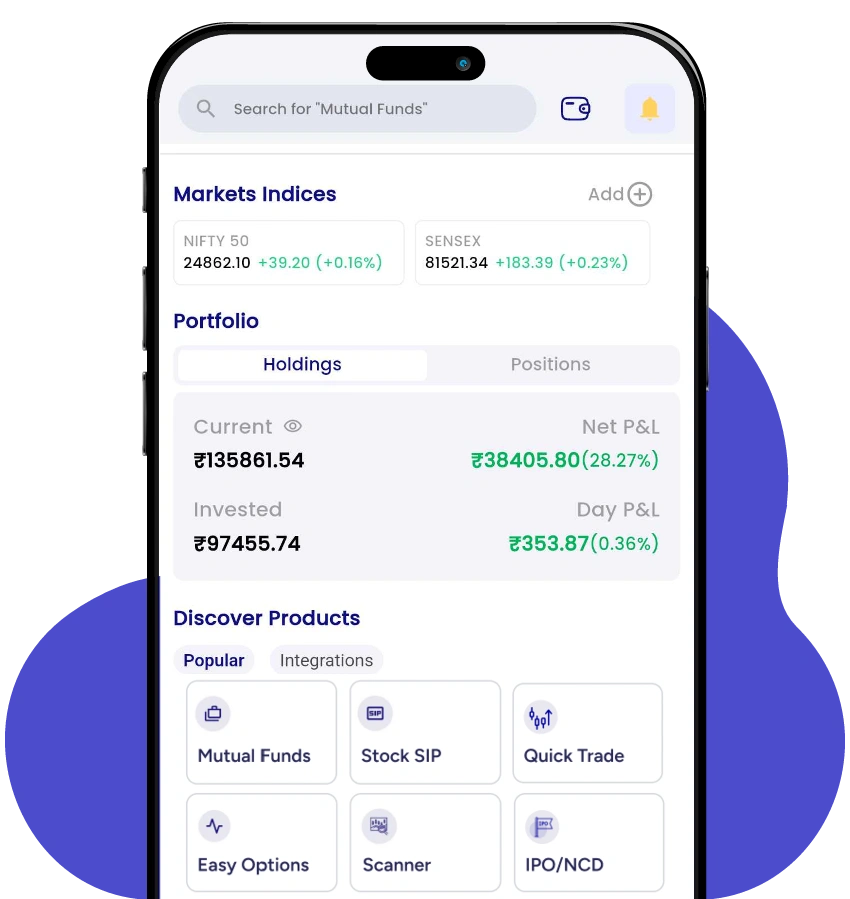
You can use the PL Capital Group – Prabhudas Lilladher application, which is a SEBI-registered broker, to start investing in ETFs. PL allows you to open a Demat account for free. With this trading platform, you can monitor your performance regularly.
How to Trade ETFs – Step-By-Step Process
You can follow the steps below to start investing in ETFs with PL Capital:
Step 1: Research and Choose ETFs
In the first step, you need to conduct thorough research to identify the right ETF, which aligns with your investment objectives and risk appetite. Consider factors like the underlying assets, liquidity, and expense ratio of the ETF.
Step 2: Open a Trading Account With
You need to open a trading account with PL Capital to invest in ETFs. PL Capital offers a powerful trading platform to invest in ETFs. It also provides real-time access to asset prices and market insights.
Step 3: Place an Order
Once you have opened a trading platform with PL and chosen the ETFs you want to invest in, go to the order placement section. You need to enter the name of your chosen ETF. Double-check the accuracy of the information entered to eliminate any errors.
Step 4: Mention Quantity and Price
You have to specify the quantity of ETF units you want to buy. If you want to set a particular price for your purchase, you may use a limit order. Keep your desired price per ETF unit.
Step 5: Confirm Order
Review the order summary on your trading platform to verify all the transaction details you have entered. This includes quantity, price, and total investment amount. After confirming that all of your details are correct, submit the order. The company will execute the order according to prevailing market conditions.
Step 6: Monitor Investment
The final step is to track your investment status through PL Capital. Always try to look for any updates, price fluctuations, and market news that can impact your ETF investment. Always review your investment portfolio regularly and make necessary adjustments to stay in line with your financial objectives.
Different Strategies of Investing in ETFs
Now that you know the investment process in ETFs, here are some effective strategies for investing in them:
-
ETF SIP
You can start SIPs to invest in ETFs, just like you do in mutual funds. It involves putting a fixed amount in the ETF at regular intervals, irrespective of market movement. It can help you reduce the average purchase price through rupee cost averaging in volatile market conditions.
-
Core-Satellite Strategy
A core-satellite strategy comes with a core portfolio of diversified ETFs with satellite holdings in thematic ETFs. The core offers stable and broad-based market participation, while satellite investments focus on tapping into higher returns from particular sectors or themes. This approach can maintain a balance between relative stability and growth potential.
-
Thematic Investing
Thematic ETFs make investments in companies that are anticipated to profit from long-term trends in a variety of industries. This includes renewable energy, digital innovation, and electric transportation. These ETFs also provide exposure to structural topics with substantial growth potential. However, they could be more volatile and need a larger risk tolerance.
-
Sectoral Investing
Sectoral ETFs can be useful for investors who have opinions on the prospects of a particular industry, like FMCG, banking, healthcare, or information technology. By offering broad exposure within a certain industry, these ETFs enable investors to take advantage of sector-specific opportunities without choosing individual equities. However, compared to broad-based ETFs, sectoral ETFs could have a larger concentration risk.
How to Choose the Right ETF for Yourself?
Once you have understood the process of investing in ETFs and different strategies, you should know how to choose the right ETF for you. Here are the key considerations you must take while investing in ETFs:
-
Category of ETF
You need to choose the ETF category you want to focus on. These categories include equity, international exposure ETFs, gold, and debt. You must research each category you want to invest in. Once you select the category, seek sub-categories.
-
Trading Volume
Since ETFs have gained popularity, most ETFs have considerable liquidity, which allows you to buy and sell ETF units very easily. However, some ETFs have lower trading volumes compared to others. In those ETFs, liquidity makes selling your existing units or buying new units difficult. Hence, always select an ETF with good trading volume.
-
Tracking Error
One of the main purposes of creating ETFs is to track a particular index. However, there can always be a discrepancy between an index and the ETF returns. While choosing an ETF, choose an ETF with less tracking error.
-
Expense Ratio
The expense ratio can reduce your returns. Therefore, you must choose an ETF with a lower expense ratio compared to others to gain better returns.
Final Thought
Understanding how to invest in ETFs is crucial since ETFs are a lucrative investment choice for investors who want exposure to benchmark indexes. As a result, investors may think about purchasing ETFs in order to replicate the gains produced by the underlying indices.
Download the PL Capital application to invest in ETFs and avail a lot of benefits. You do not have to pay any annual maintenance charges for trading on the PL Capital platform. However, PL Capital also offers a lot of services from brokerage to investment banking.
Frequently Asked Questions
1. Which ETF is the best in India?
There is no ETF in India which can be called the best. It depends on your investment choice, risk tolerance, and investment horizon to choose the right ETF for you.
2. What is the 3:5-10 rule in an ETF?
The 3:5-10 rule is a simple rule that can help you to invest in ETFs effectively. It guides you to keep your money for expenses within 3 months in your savings account, funds needed in 5 years in stable investment options, and money you will not need for more than 10 years in growth investments.
3. Are ETFs a good investment?
Yes, ETFs are a good investment vehicle as they require less research and provide diversified exposure.
4. ETF vs FD: Which is better?
Choosing between ETF and fixed deposits (FD) entirely depends on your choice. You must also consider your goals, risk tolerance, and time horizon to choose between them.