
A Beginner’s Guide on How to Invest in Gold ETFs
- 22nd January 2026
- 03:30 PM
- 8 min read






To invest in gold exchange-traded funds (ETFs), you must open a Demat account and select the appropriate ETF scheme as per your preferences. According to the Economic Times, in Q3FY2026, India’s gold investment demand exceeded USD 10 billion.
If you want to add gold to your portfolio, understanding the process of purchasing gold ETFs is essential for you. This blog provides a simple guide for you about how to invest in gold ETFs, along with analysing the benefits and limitations of investing in gold ETFs.
How Do Gold ETFs Work?
The gold ETFs start working by creating units and determining the price. Before understanding the investment process in gold ETFs, you need to understand them. It is described in the pointers below:
-
Creation of Gold ETFs
The mutual fund house creates gold ETF units with physical gold as the underlying investment. Then, they are listed on a popular stock exchange to help investors buy and sell them.
-
Trading and Price Determination
Investors may invest in gold ETF by putting buy or sell orders through a trading account. Investors will debit or credit the units in their respective Demat accounts.
-
Valuation of Gold ETF Units
Since physical gold is the underlying investment for the ETF, changes in the value of gold can make changes in the NAV of the Gold ETF. However, there can be some changes in the units traded on the stock exchanges because of the demand and supply of gold ETF units and physical gold.
-
Redemption
You can redeem the gold ETF units for up to INR 25 crore in the open market, and the liquidity is typically good enough. Investors with transaction value more than INR 25 crore can directly approach the respective fund house to both redeem and create units.
Why Should You Invest in Gold ETFs?
First of all, gold ETF investment can help you diversify your portfolio across different asset classes to create long-term wealth. Furthermore, gold is considered a safe-haven asset, which correlates negatively with other asset classes such as equity and debt.
Investing in gold ETFs can also help you hedge against inflation in the long term and provide stability to your investment portfolio. As a result, the gold ETF market in India has experienced record inflows of USD 902 million in September 2025.
How to Buy Gold ETFs?
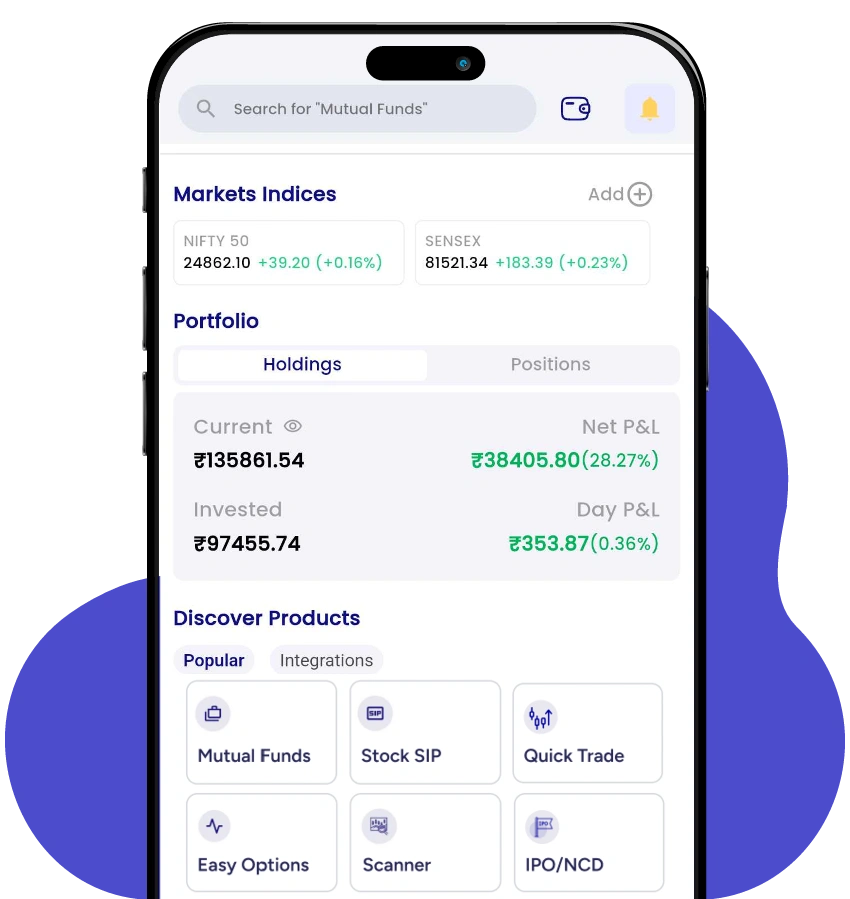
You can buy gold ETFs using the PL Capital Group – Prabhudas Lilladher application by opening a Demat account for free. Follow the steps below to understand how to purchase gold ETFs:
Step 1: Opening a Demat or Trading Account
The first step is to open a Demat or trading account with PL Capital to start investing in gold ETFs.
Step 2: Enter Your Details
Enter your login credentials and Password on PL’s online application to log into your account.
Step 3: Choosing the Gold ETF
Choose the gold ETF you want to invest in by searching for its name. You can buy it with a one-time investment or regularly invest in it with a systematic investment plan (SIP).
Step 4: Order Placement
Place the buy order by specifying the quantity of gold ETF units after that.
Step 5: Confirmation Message
You will get a confirmation message on your registered mobile number and email address.
Step 6: Track Your ETFs
Track your gold ETF units and their price in the PL Capital application. In addition, look for any updates, price fluctuations, and market news that can have an impact on your ETF investment.
Tips to Consider While Investing in Gold ETFs
If you are new and want to invest in gold ETFs, you need to consider some crucial tips:
-
Investment Tenure
Gold ETFs are considered a short- to medium-term investment because long-term returns are often as low as 10% per year.
-
Fund Performance
Do not choose a gold ETF or fund manager only for cheap fees. Instead, look at the fund’s recent performance to see how well the fund managers are handling the accounts.
-
Avoid Large Investment
Try to put 5–10% of your investing portfolio into gold ETFs. This will also maintain a stable portfolio and steady returns.
-
Check the Fees
It is essential to search the ETF market for a stockbroker or fund manager with low costs, as broking or commission fees for gold ETFs range from 0.5% to 1%.
-
Check the Price Trends
Watch the gold price movements before making any investments. With equities, you could wish to buy gold ETFs at a discount and sell them when the price increases.
Advantages of Investing in Gold ETF
Now that you know the process of investing in gold ETFs, you must also know their advantages. Some of them are:
-
Convenience
You may invest in gold ETFs without worrying about storage, theft, or purity. Similar to stocks, you may purchase and sell units on stock markets. Therefore, they are significantly more convenient than carrying actual gold.
-
Liquidity
Gold ETFs provide high liquidity since they are listed on exchanges. This makes it simple to enter and exit whenever necessary. Furthermore, the value of gold ETFs is closely correlated with current gold market values, guaranteeing transparency.
-
No Exit Load
Even if you wish to sell your gold ETFs soon after investing in them, there are no exit load consequences, in contrast to some mutual fund schemes.
-
Low Risk
Compared to stocks, gold ETFs are less volatile and track the price of gold. This provides a steadier investment alternative by lowering vulnerability to abrupt market volatility.
-
Tax Benefits
You do not have to pay GST, making costs, or Securities Transaction Tax (STT), but you are required to pay capital gains tax on gold ETFs. Indexation also helps investors lower their tax obligations, which makes them more appealing for building long-term wealth.
Disadvantages of Investing in Gold ETF
-
Systematic Risks
Gold ETFs might include systematic risks. These are adverse fluctuations in the ETF units’ valuation, which might arise from a decline in the actual price of gold. The value of Gold ETF units will decline if actual gold prices decline.
-
Associated Costs
Gold ETFs come with a lot of expenses. The expenditure percentage that you must pay is usually about 1%. This charge covers the expense of fund management. Then, while purchasing or disposing of gold ETF units, broker fees apply.
Additionally, tracking error is assessed, which is a significant aspect that influences how closely the ETF tracks the price of gold, but is not a direct charge.
Final Thoughts
Gold ETFs can be an effective investment option for you since they offer convenience and flexibility to trade in the stock market. If you are looking for portfolio diversification, gold ETFs offer a smart alternative for you. As a result, you need to understand the process of investing in gold ETFs.
If you want to ease into trading, you can use the PL Capital trading platform, which levies zero annual maintenance costs while trading.
Frequently Asked Questions
1. Which ETF is best for investing in gold?
There is no best gold ETF, since it completely depends on your choice and risk appetite. You must consider the expense ratios, liquidity, and historical performance of gold ETFs to invest in them.
2. Is a Gold ETF a good investment?
Yes, a gold ETF can be a good investment option for you, since it allows portfolio diversification and hedges against inflation and market volatility. However, you should know how to purchase gold ETFs properly for this.
3. Who can buy and sell Gold ETFs?
Anyone with the knowledge of how to invest in gold ETFs and a Demat or trading account can buy and sell gold ETFs on a stock exchange. You can trade them just like you invest in regular stocks in market hours.
4. What are the factors that affect the gold ETF prices?
Factors such as supply and demand, currency strength, economic uncertainty, and interest rates can impact gold ETF prices.